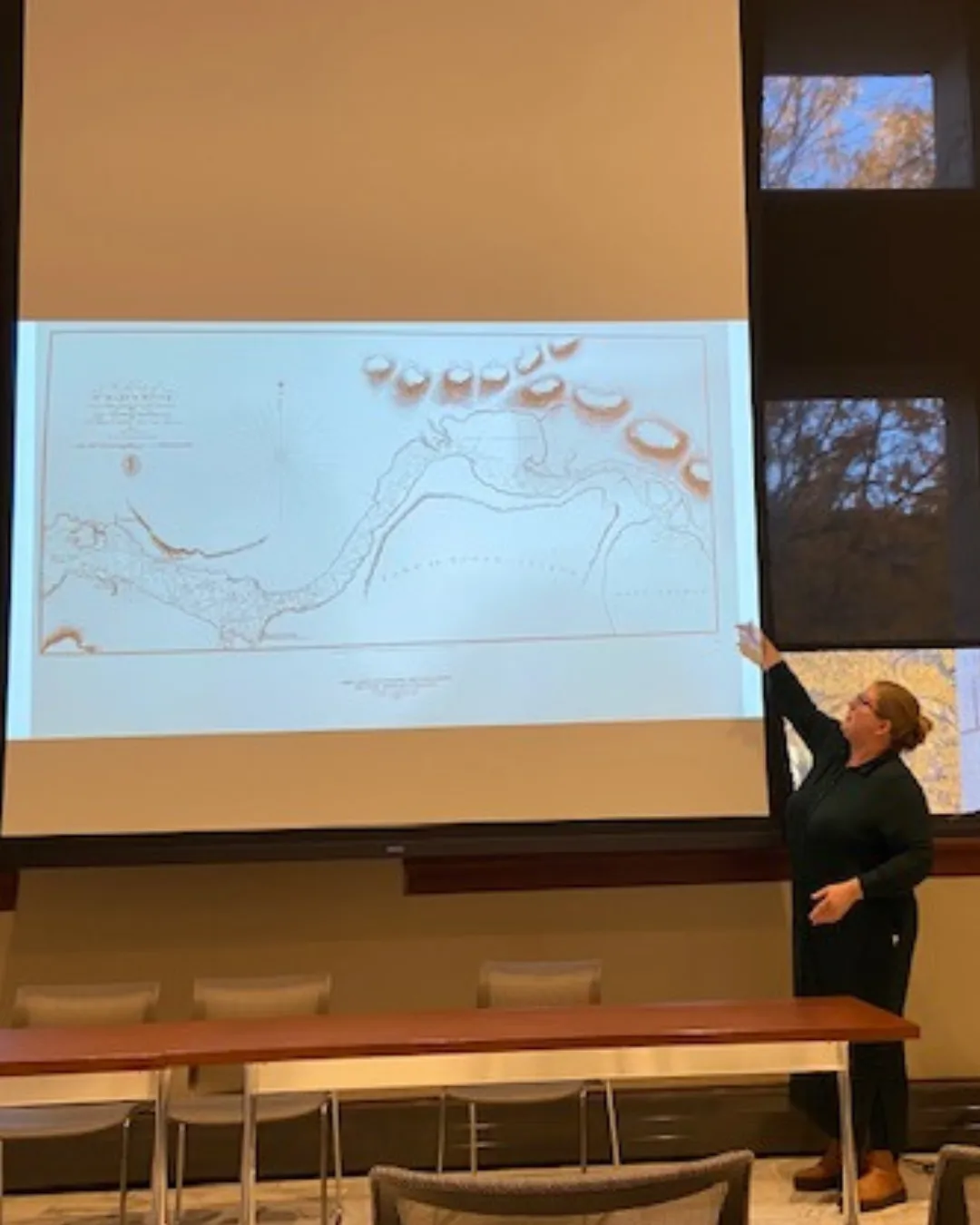
Stop Just Looking at Lake Superior. Start Seeing the "Deep Map."
Most people drive the 1,300-mile Circle Tour and see a collection of pretty views. I want to give you a collection of insights. Download the PhD-curated resource library that distills over fifteen years of research into a shortcut for the intentional traveler.
The "Scenic Overlook" Trap
We’ve all been there: standing at a breathtaking turnout, reading a faded sign, and feeling like there’s a much bigger story just out of reach. You know the land has layers—geological rifts, Indigenous history, and ecological shifts—but who has time to dig through academic archives to find them?
I did the digging so you don’t have to.
I’m Dr. Emily Macgillivray, and I’ve spent over a decade as a historian and professor learning how to "read" the landscape. I’ve distilled my favorite maps, articles, videos, primary sources, and field resources into this Curated Resource Library so you can transition from a spectator to a steward.
Inside this 15-page free library, you’ll find:
The 6-Layer Framework: A structured "Syllabus for the Lake" covering everything from the Midcontinent Rift and the Ecological Tension Zone to Maritime Labor and Treaty Rights.
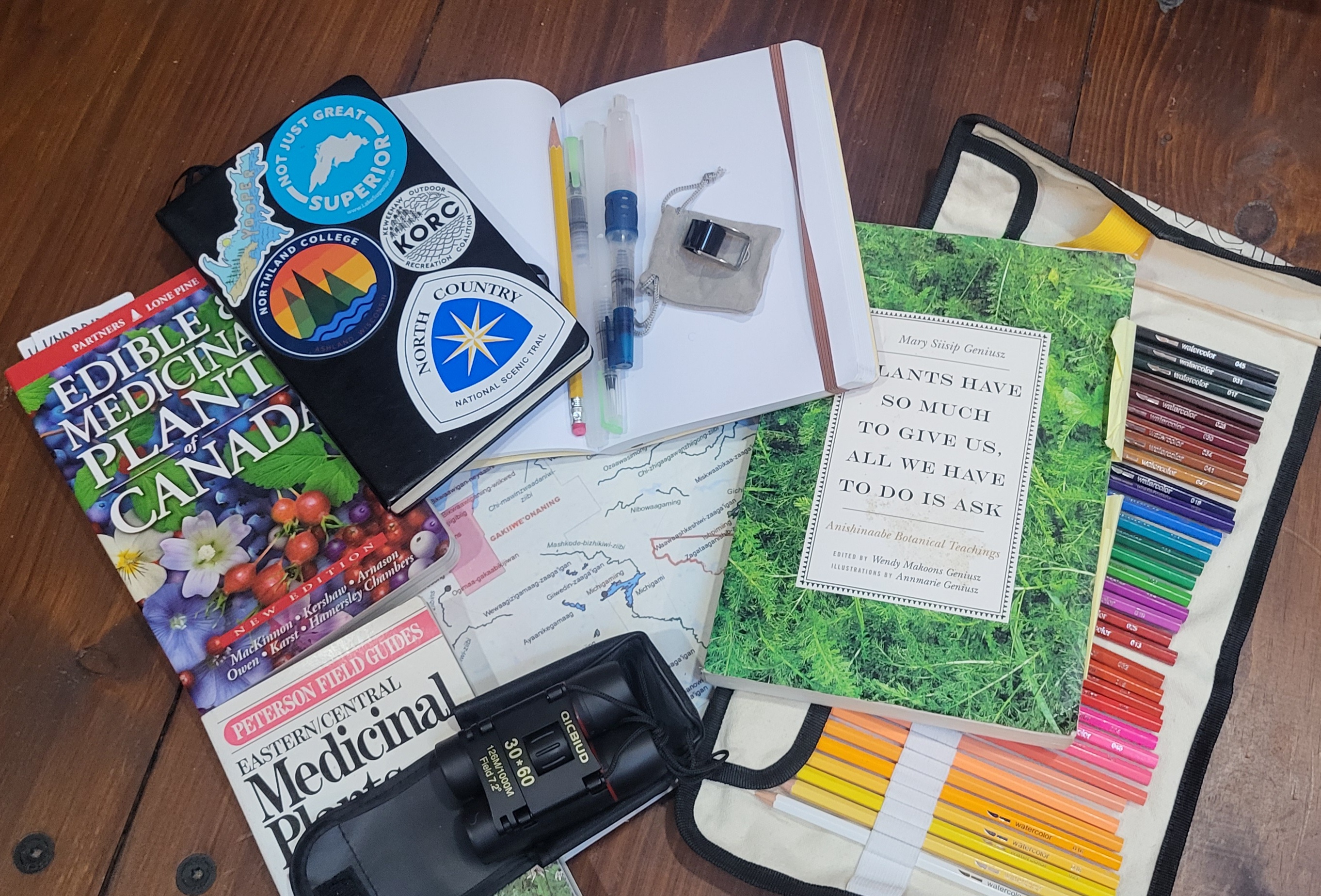
The Historian’s Field Kit: A curated list of the exact gear I use working as a historian in the field—including the Seek App, 10x Hand Lens, and the essential texts for understanding Anishinaabe botanical teachings.
Primary Source "Scavenger Hunts": Direct access to digitized 19th-century primary sources and "Deep Map" watercolor sketches that reveal the hidden landscape behind the "pretty views."
P.S. A trip around Lake Superior is more than a collection of photos—it’s a conversation with a landscape that has been actively stewarded for thousands of years. Whether you're in a rigged-out Tacoma or a rental car, this library helps you navigate where sovereignty lives and where the deep history begins.